

 Subscribe for E-mail Alerts
 CCDC Weekly RSS Feed
2025 Vol. 7, No. 51
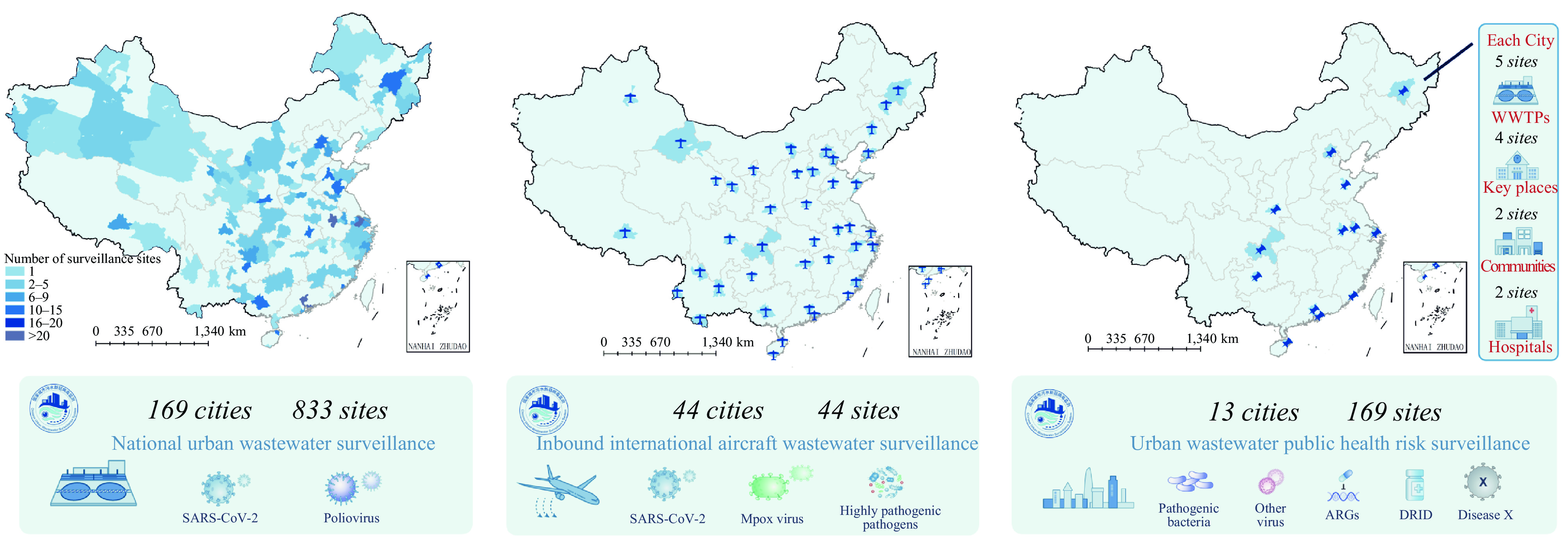
Wastewater surveillance has emerged as a powerful tool for public health monitoring, particularly during disease outbreaks. This report documents China’s pioneering establishment of the first nationwide comprehensive wastewater surveillance system with multi-scenario applications during the coronavirus disease 2019 (COVID-19) pandemic (January 2023–June 2025). The system integrated three components: national urban wastewater surveillance, inbound international aircraft wastewater surveillance, and pilot public health risk surveillance. This integrated framework demonstrated significant effectiveness in providing early warnings for COVID-19, polio, monkeypox, and other infectious disease outbreaks, while advancing variant tracking capabilities. These findings underscore the critical role of wastewater surveillance in augmenting existing public health infrastructure and improving outbreak detection capabilities. Implementing standardized protocols and developing collaborative networks will strengthen pandemic preparedness and enhance global public health resilience.

In 2019, the Chinese State Council launched the “Healthy China Initiative (2019–2030)”, establishing explicit targets for residents’ environmental and health literacy (EHL): reaching to 15% by 2022, to 25%, and over 2030. To identify knowledge gaps and guide targeted interventions, Shanghai implemented five consecutive EHL surveys between 2020 and 2024.
We employed a multi-stage random sampling design across five cross-sectional surveys. Associations with EHL levels were examined using χ2 tests, one-way analysis of variance, generalized linear models, and multivariate logistic regression analyses.
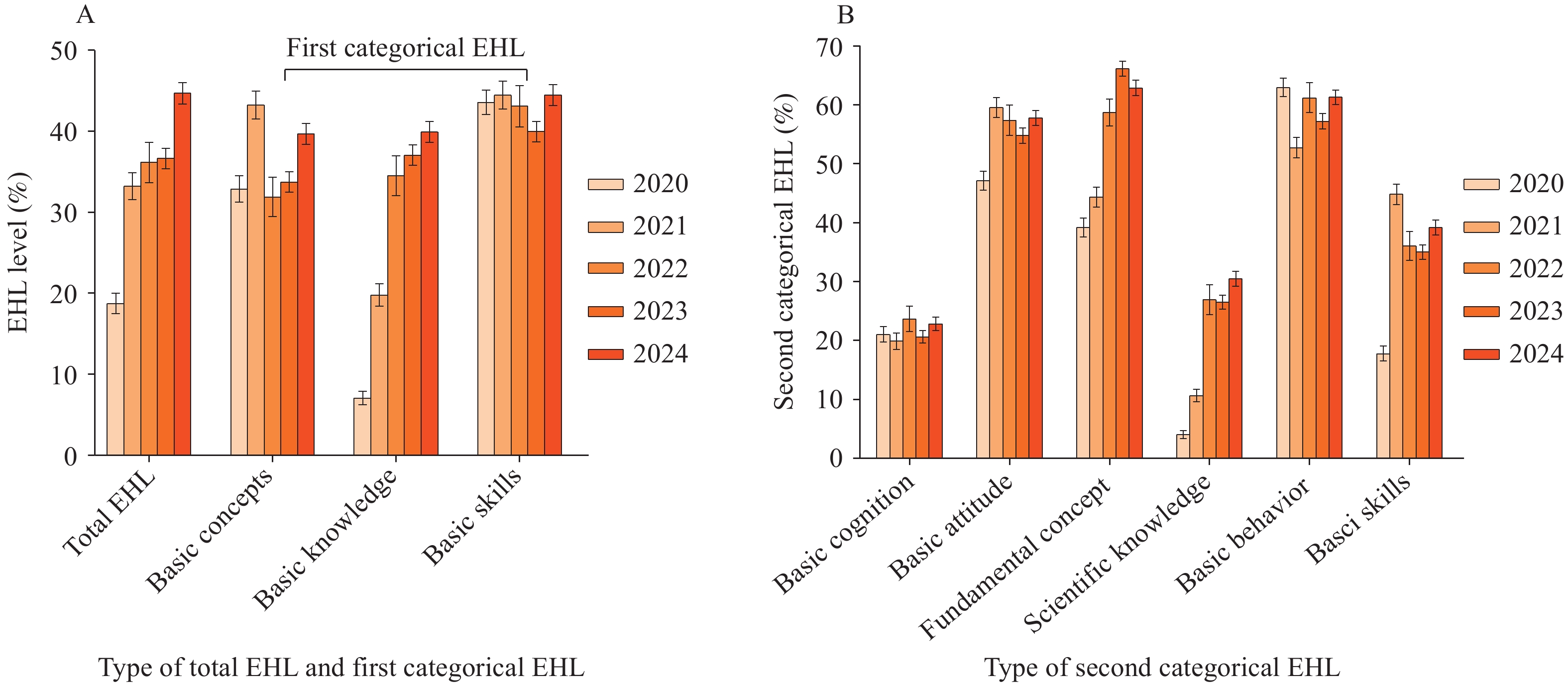
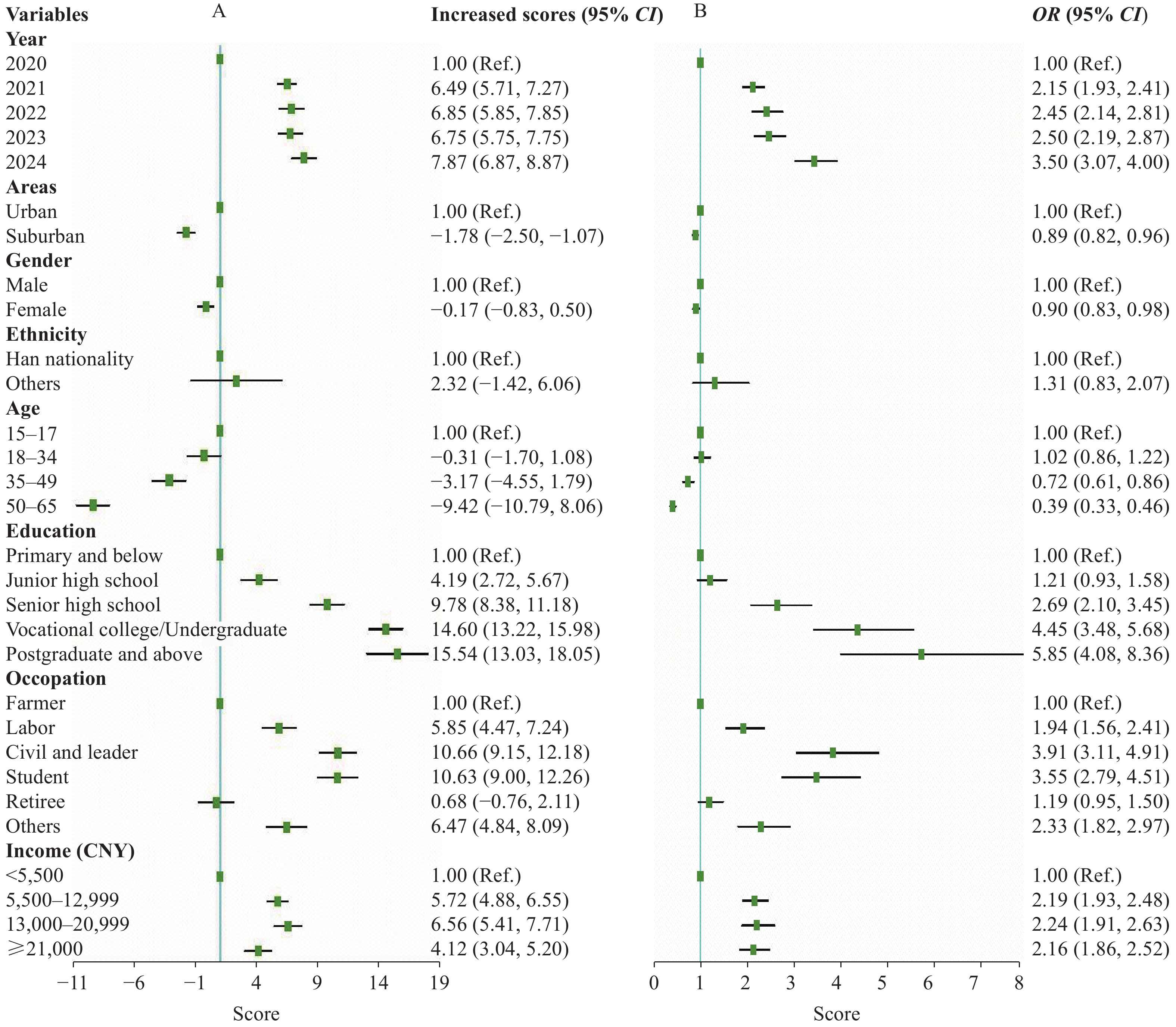
Among 11,220 residents aged 15–69 years assessed using the Core Questionnaire for Assessing the EHL of Chinese Residents, mean EHL scores demonstrated steady improvement. Scores increased from 55.28±15.64 points in 2020 to 61.77±15.92 points (2021), 62.13±17.14 points (2022), 62.03±16.97 points (2023), and 63.14±18.21 points (2024) (P<0.001). The proportion achieving adequate EHL (≥70 points) increased correspondingly, with age-adjusted rates rising from 18.78% in 2020 to 30.18% (2021), 33.22% (2022), 33.84% (2023), and 42.88% (2024). Among the three primary dimensions, knowledge showed the greatest improvement, increasing from 7.12% to 39.93%. Participants surveyed in 2024 had 3.50-fold higher odds of achieving adequate EHL compared with those in 2020 (odds ratio=3.50; 95% confidence interval: 3.07, 4.00).
Although educational attainment remained the primary determinant of EHL, targeted public health education campaigns significantly improved EHL among Shanghai residents between 2020 and 2024.
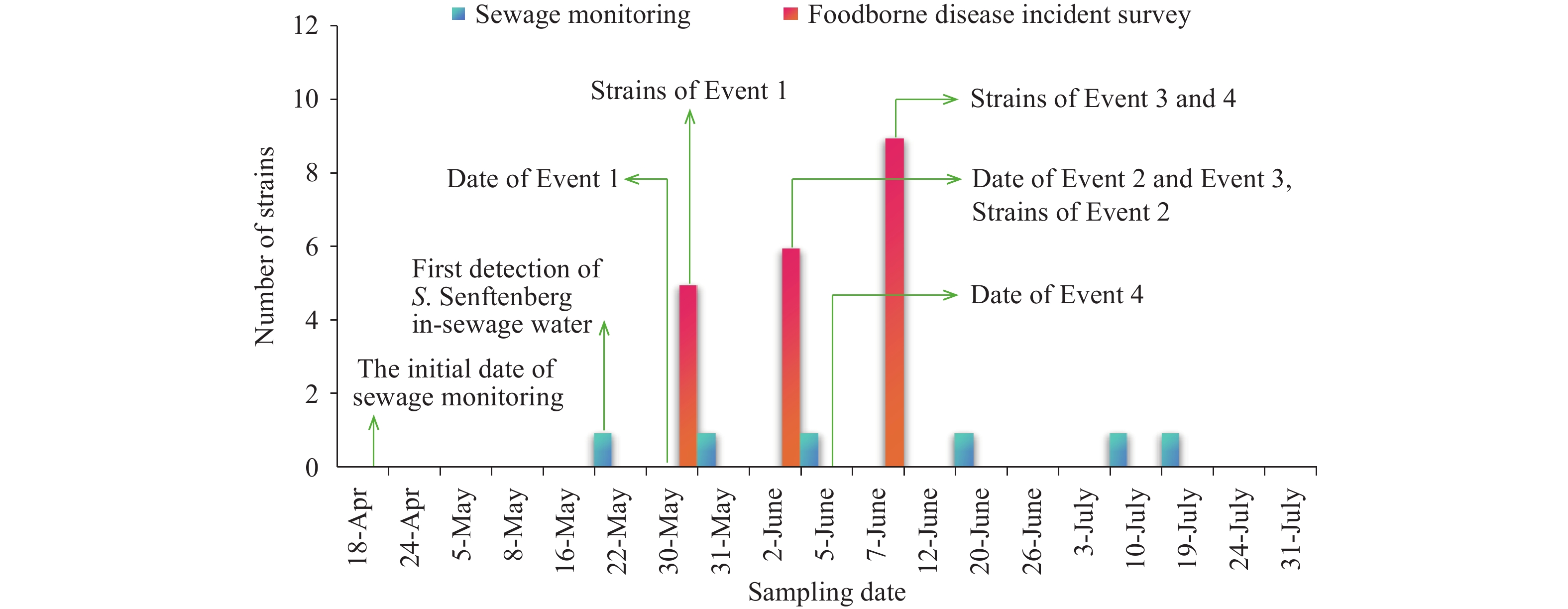
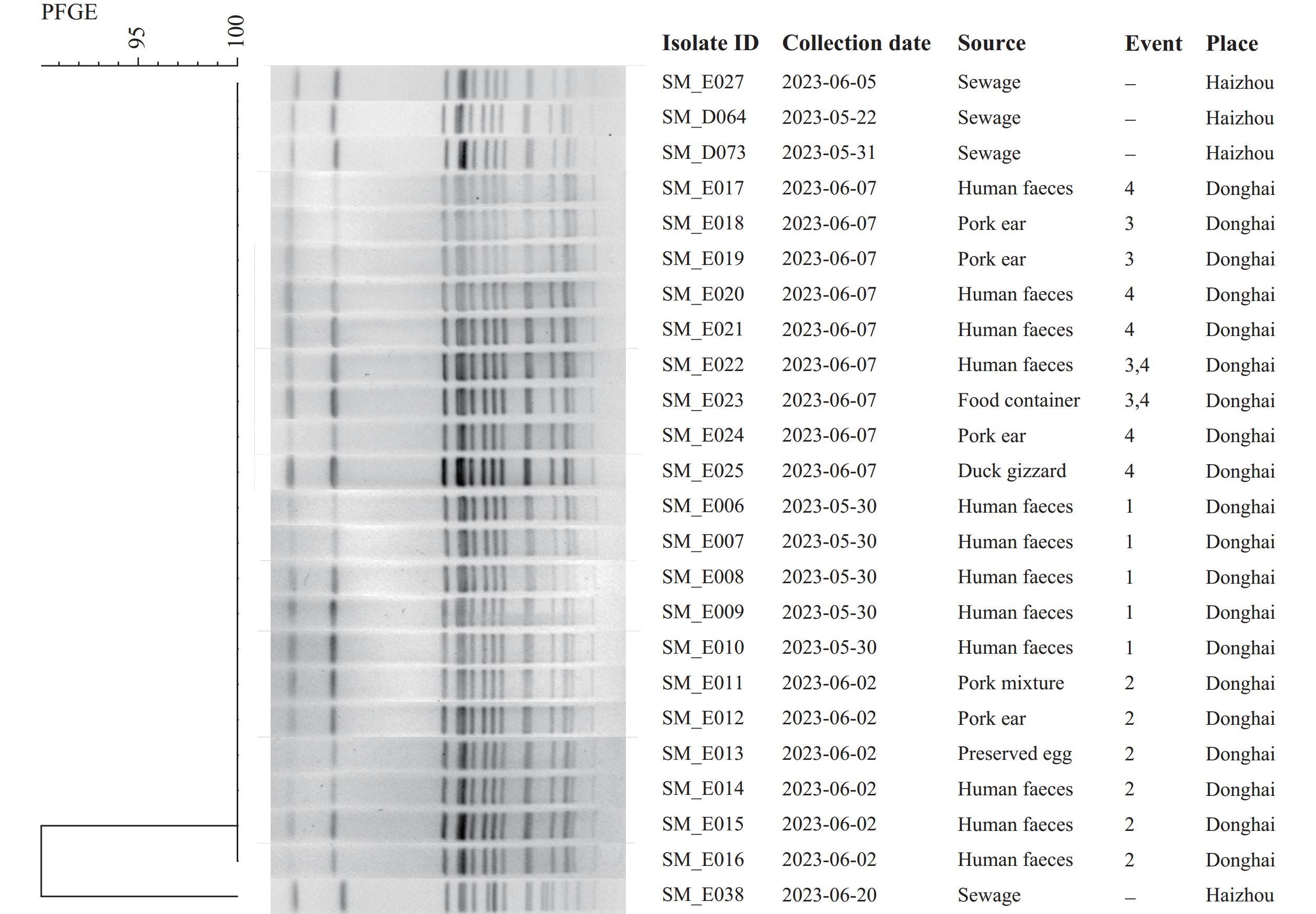
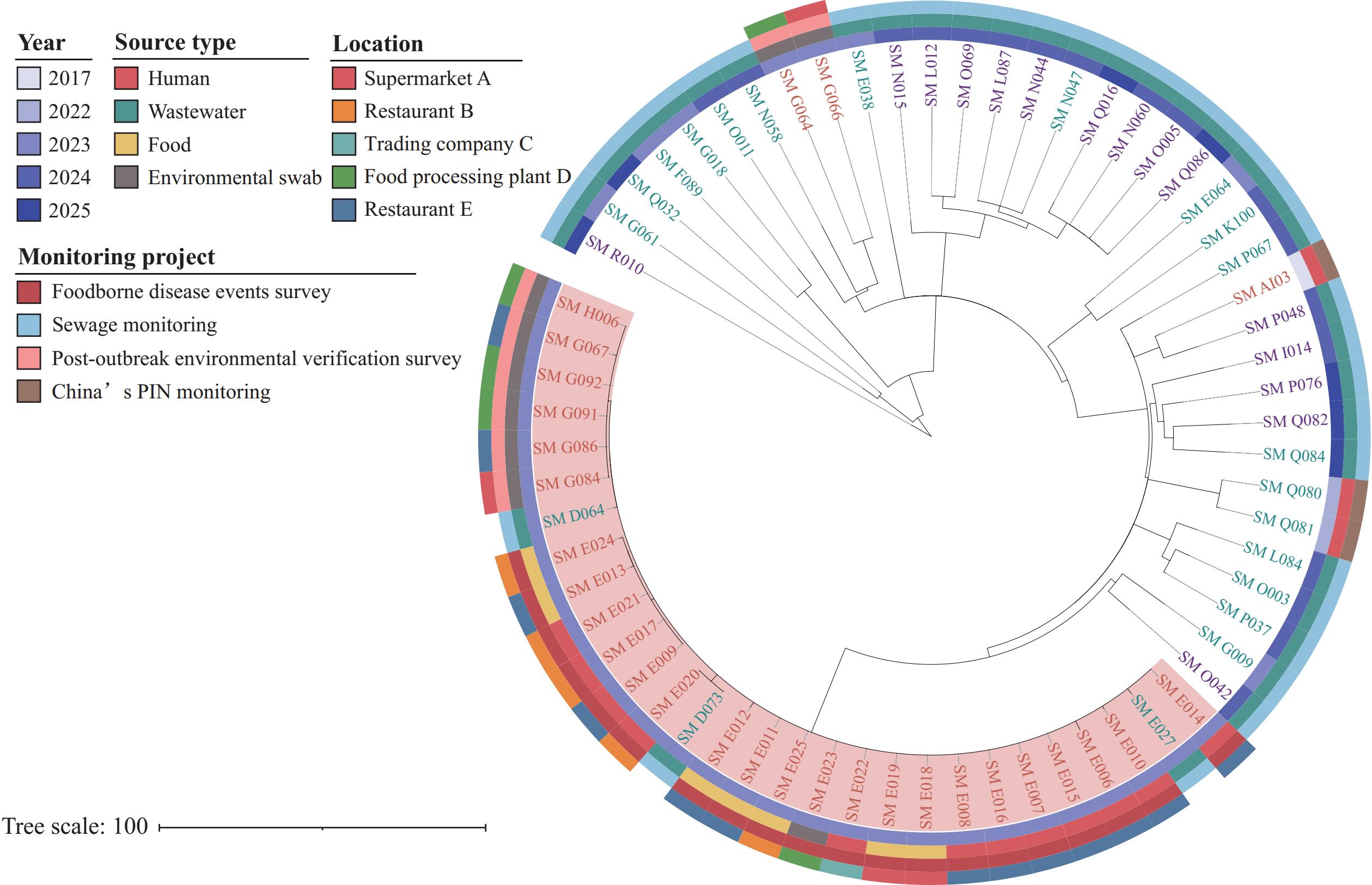
Salmonella Senftenberg (S. Senftenberg) has emerged as a critical foodborne pathogen associated with major outbreaks. Currently, there is a lack of capacity for proactive risk prediction or preemptive containment of this serotype.
This study demonstrates that core-genome SNP analysis confirmed clonal identity between foodborne outbreak-associated and wastewater-derived ST14 S. Senftenberg isolates. Phylogenetically linked strains were identified in wastewater samples 7–14 days before the outbreak and persisted for more than 3 weeks.
Wastewater-based epidemiology (WBE) provides a critical early-warning signal for emerging foodborne outbreaks of serotype-specific Salmonella. When integrated with whole-genome sequencing (WGS), it offers distinct advantages in identifying cryptic transmission chains and undetected community-acquired foodborne infections.
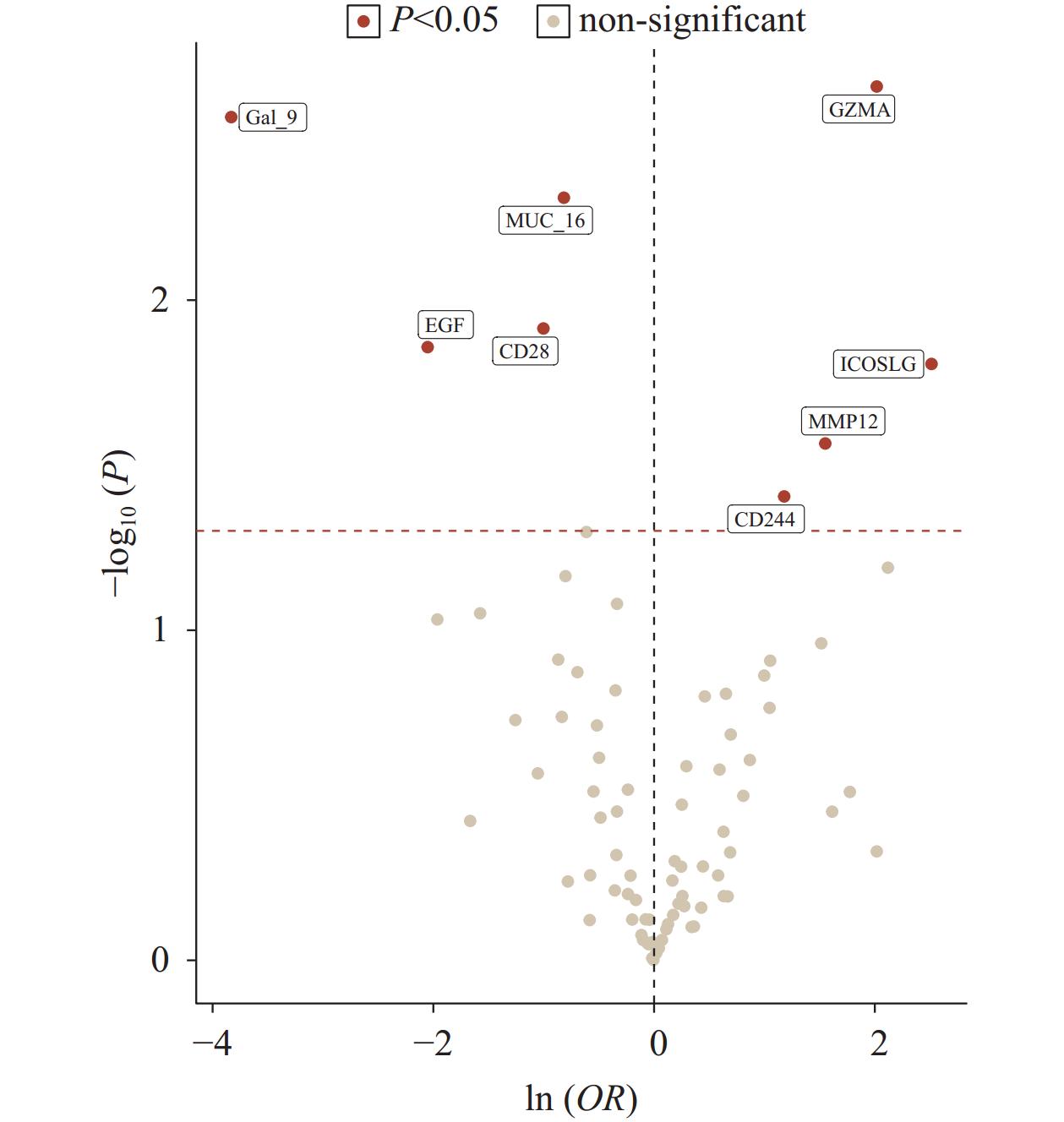
Currently, the detection of silicosis relies on imaging and pulmonary function tests, which are effective only at identifying the advanced stages. Additionally, no effective protein biomarkers or genetic risk models exist for the early detection or targeted intervention of silicosis.
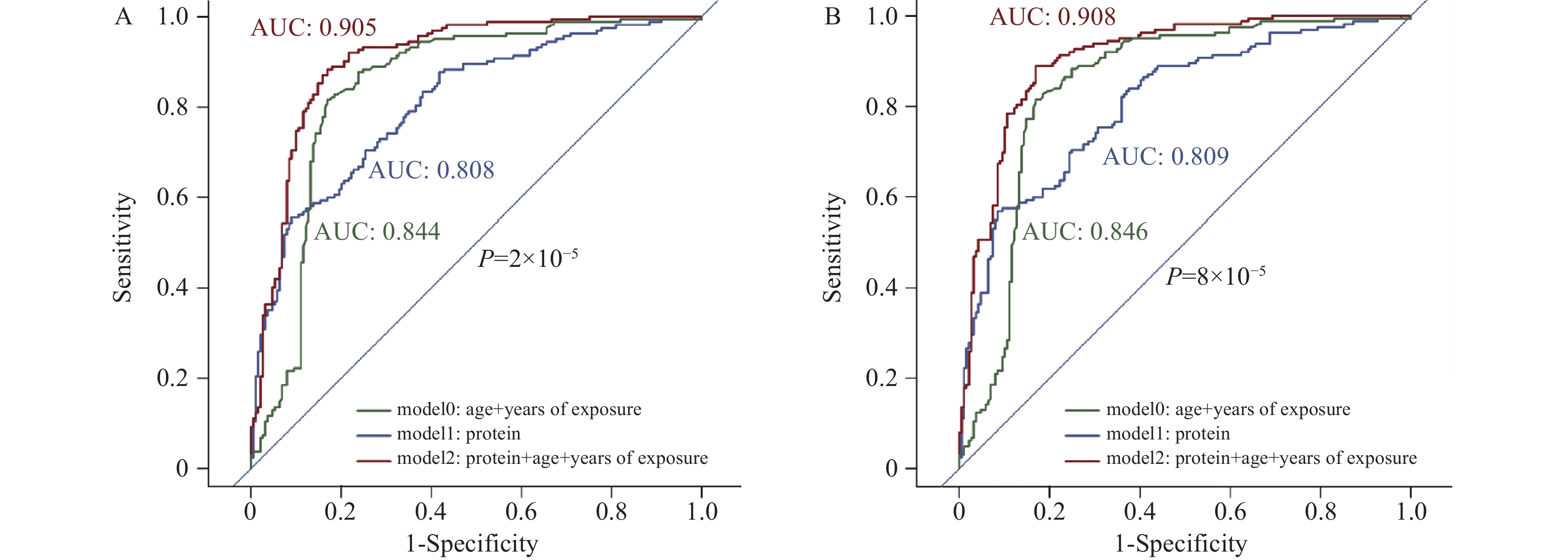
This study integrates genomics and proteomics to identify new genetic loci associated with susceptibility to silicosis. Using Mendelian randomization and protein quantitative trait loci (pQTL) analysis, 2 functionally significant genetic variants [rs6677666 (WLS) and rs2272528 (COL4A4)] and 5 protein biomarkers (MMP12, EGF, Gal_9, GZMA, and ICOSLG) mechanistically linked to silicosis pathogenesis were identified. A diagnostic causal protein risk score (CPRS) model was then constructed to provide a robust tool for early detection in high-risk populations.
These findings provide new insights into the early diagnosis of silicosis, and support the development of preventive and screening strategies for populations at risk, enhancing public health policies for the control and management of silicosis.