


 Subscribe for E-mail Alerts
 CCDC Weekly RSS Feed
2026 Vol. 8, No. 1
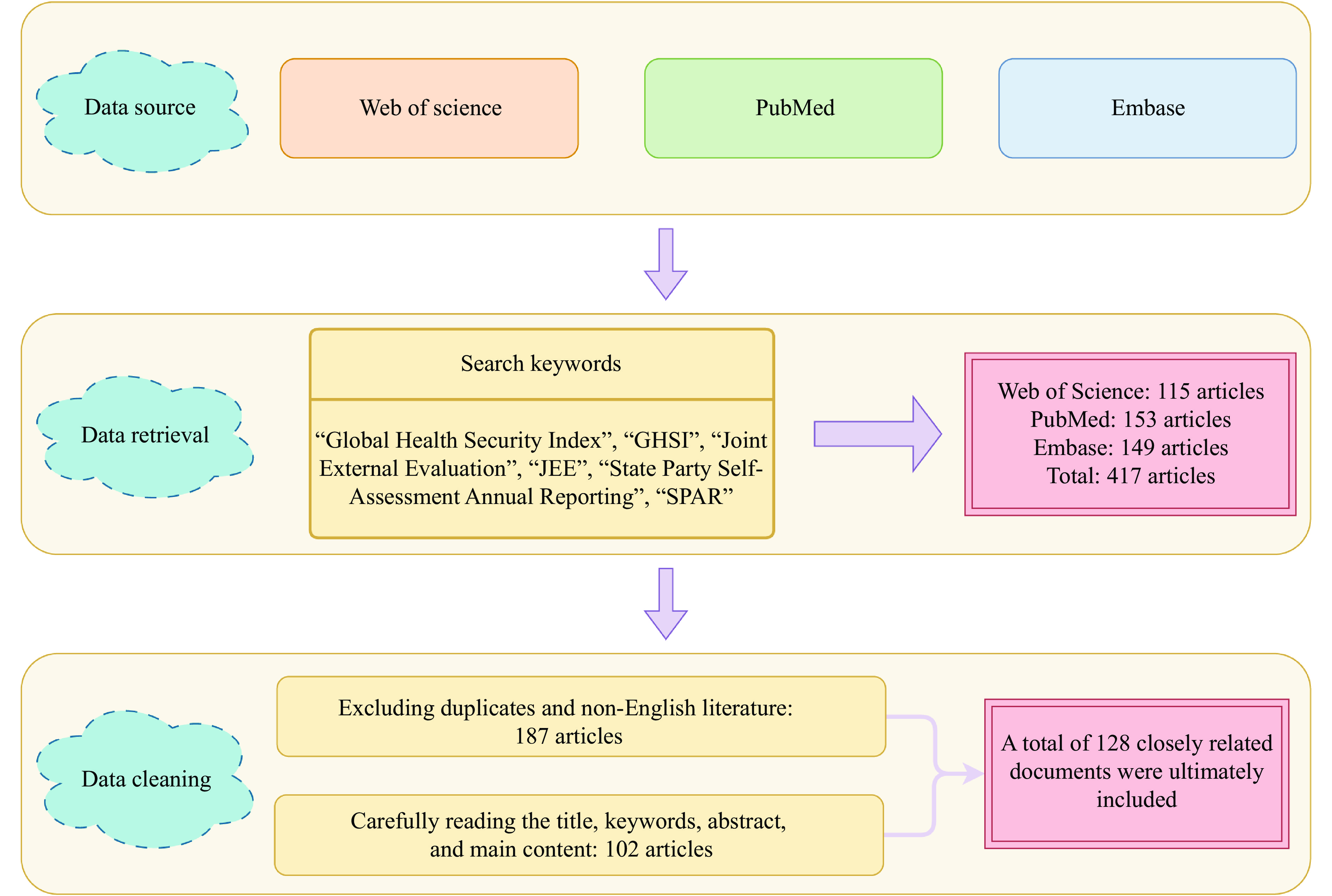
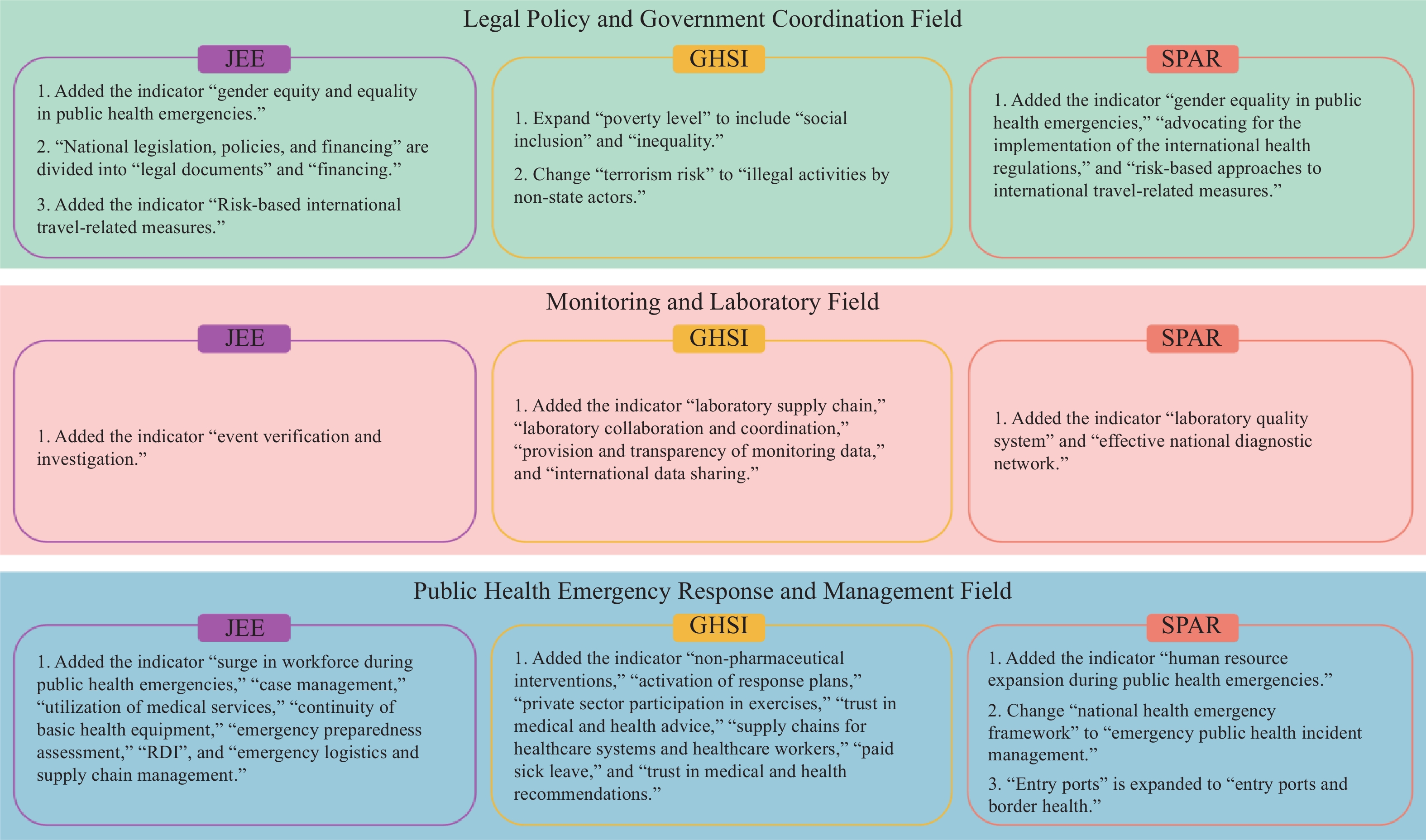
In the context of globalization, national capacities for responding to public health emergencies are evaluated using various global assessment tools, most notably the externally derived Global Health Security Index (GHSI), the peer-reviewed Joint External Evaluation (JEE), and the self-reported States Parties Self-Assessment Annual Report (SPAR). These instruments are designed to strengthen emergency response systems worldwide. However, the dynamic transmission characteristics of the COVID-19 pandemic exposed significant discrepancies, as assessment scores from these tools did not consistently align with countries’ actual pandemic response performance. This review examines the performance of these assessment tools throughout the pandemic and identifies three fundamental issues that undermined the effectiveness of GHSI, JEE, and SPAR evaluations. Although indicators across eight technical areas were revised following the pandemic, substantial modifications remain necessary to address the identified limitations. To enhance the utility of these assessment frameworks, systematic revisions are required in multiple domains: restructuring the indicator system architecture, diversifying data sources while expanding indicator dimensions, strengthening data verification protocols, refining weight allocation methodologies, incorporating real-time data streams, and ultimately establishing a dynamic monitoring and assessment system.
As a critical component of China’s public health emergency response infrastructure, the National Emergency Response Team of Infectious Disease (NERID) currently lacks comprehensive documentation regarding its management practices and capacity-building initiatives.
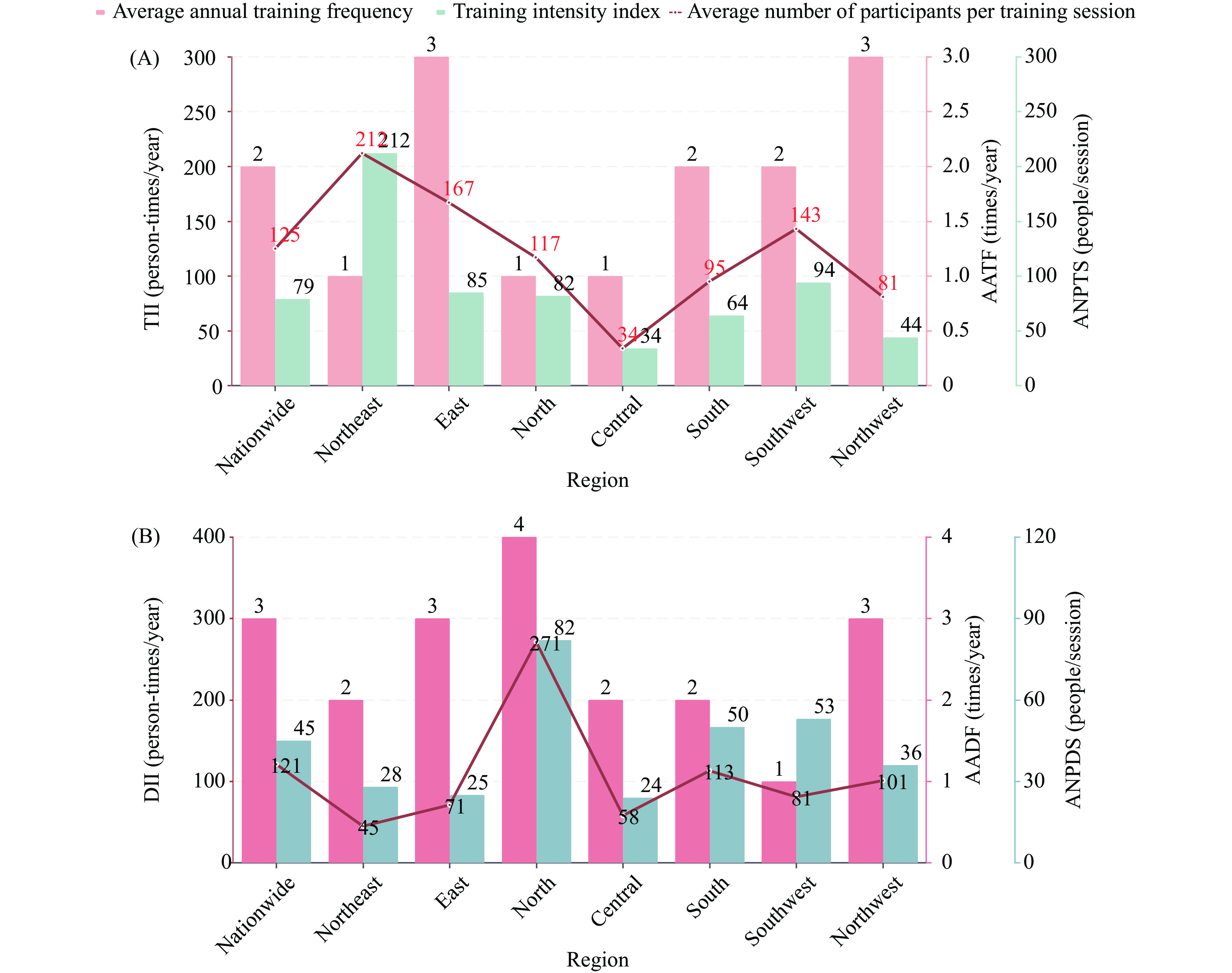
This study provides the first nationwide comprehensive evaluation of NERID development and management, encompassing 20 teams distributed across seven geographic regions. Principal findings identified significant challenges in full-time staffing allocation, equipment standardization protocols, and pronounced regional disparities in training and drill implementation.
This study provides a comprehensive assessment of the current management status and capacity-building levels of NERID. Public health practice urgently needs to strengthen dedicated personnel management, accelerate digital infrastructure development, intensify training and drill programs, and ensure comprehensive preparedness for future major public health emergencies.
International frameworks for evaluating school public health primarily emphasize enhancing student health literacy, whereas domestic research tends to focus on isolated domains, resulting in a fragmented system lacking comprehensive integration.
Through two rounds of expert consultations, this study developed a three-tier evaluation indicator system for Beijing’s primary and secondary school public health system, comprising 59 indicators. The results demonstrated strong expert consensus and high reliability.
The indicator system developed in this study demonstrates high levels of expert participation, authority, and coordination, which supports its practical applicability. It provides actionable guidance for strengthening and improving public health systems in primary and secondary schools.
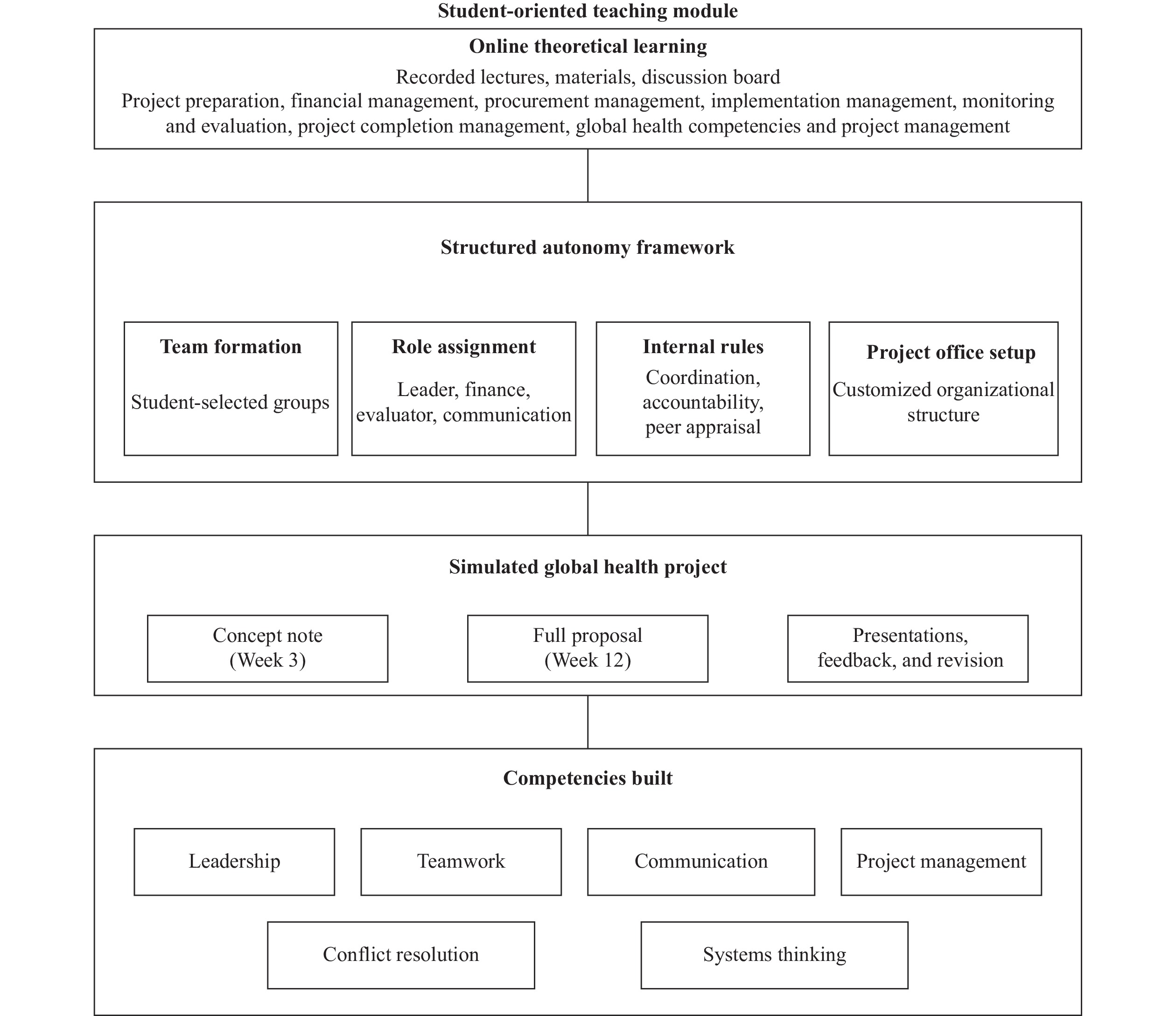
In response to growing uncertainty in global health driven by geopolitical tensions, pandemics, and climate-related challenges, global health education must evolve to equip students with theoretical knowledge and core competencies, such as leadership, cross-cultural communication, and strategic thinking. This study reviews the updates to the International Health Project Management (IHPM) course and examines its three key changes: introducing a student-oriented teaching module, incorporating teamwork and role-play to promote autonomy and accountability; expanding geographic flexibility to encourage broader strategic thinking; and strengthening team dynamics through clearer role definitions and targeted support mechanisms. Students formed project teams, established internal regulations, and selected global health scenarios for project design. This revised approach fostered in-depth discussions that encouraged open-minded thinking, enabling students to move beyond disease-focused content to strategic systemic considerations. Greater group ownership also improved collaboration and accountability, addressing common teamwork challenges such as role confusion and uneven participation. However, the analytical depth varied depending on students’ disciplinary backgrounds. Finally, we argue that a tiered curriculum that moves from theory to competency building can better support student growth. Overall, these findings highlight the potential of student-oriented approaches to strengthen leadership, cross-cultural communication, and strategic thinking, competencies essential for contributing to a shared future for global health.